Wait! HOW much does a tiny house cost?

Pros and Cons of Minimalist Living in Western North Carolina
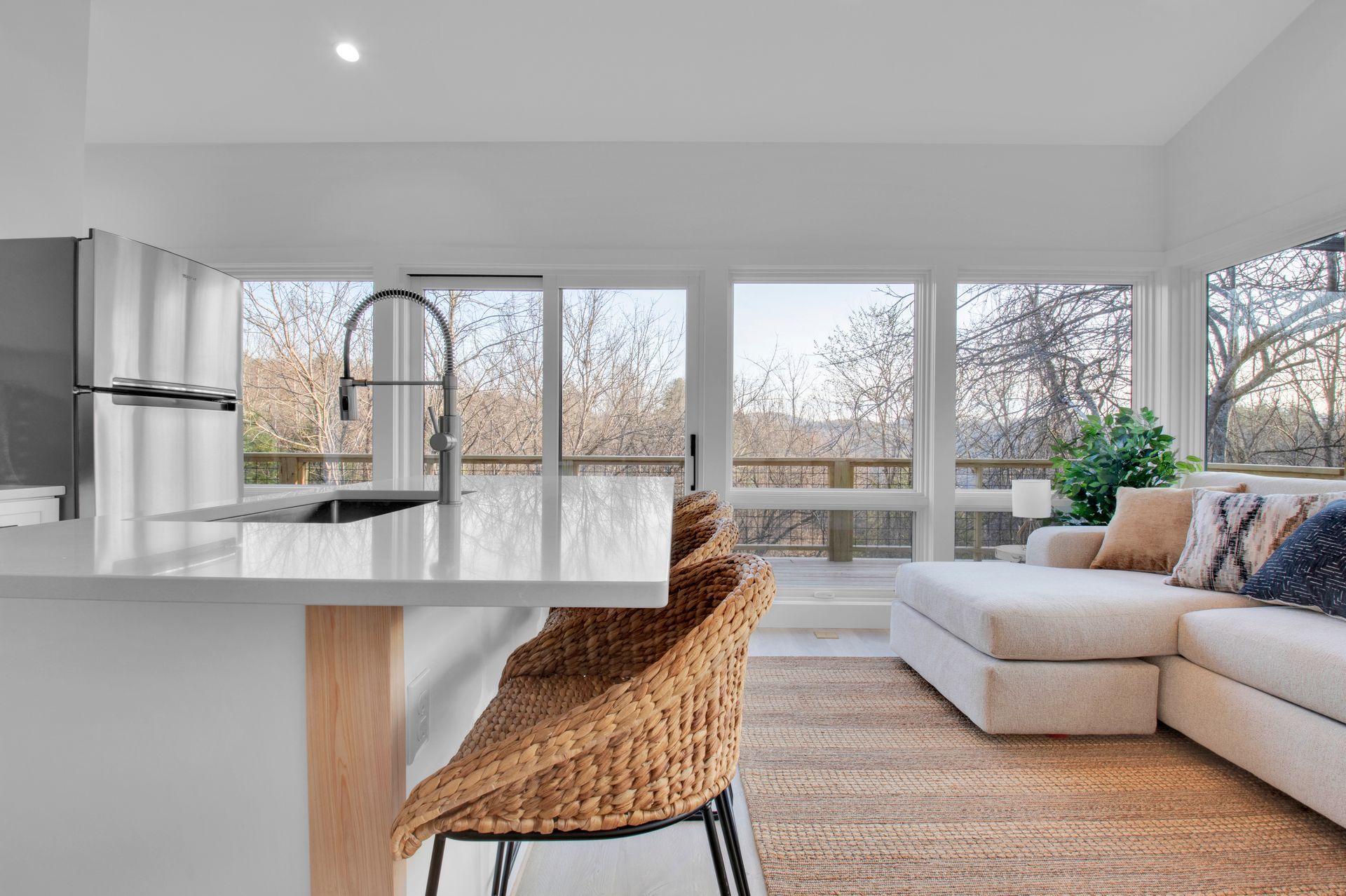
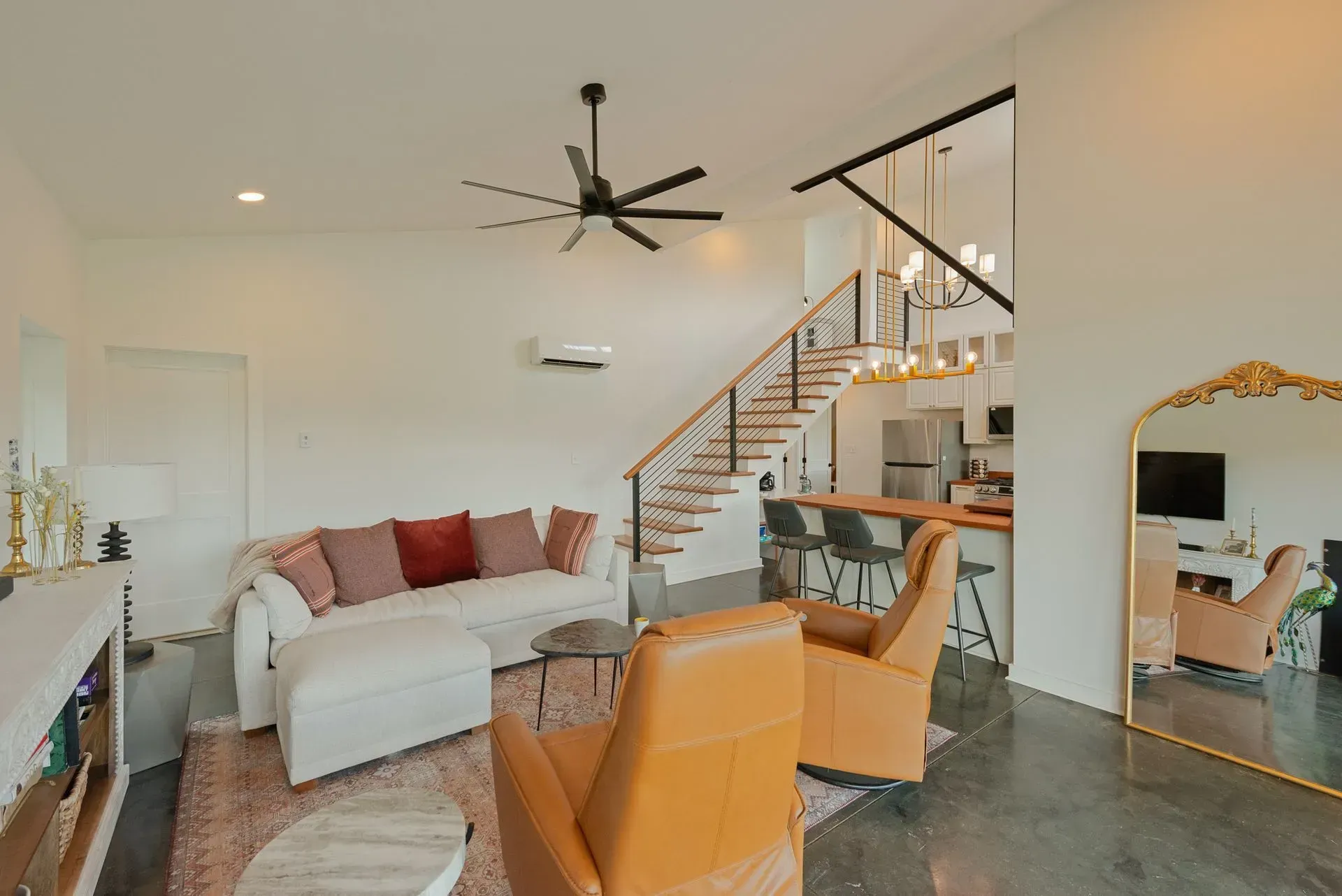
inside a tiny home kitchen and living room built by Nanostead

So... You're Thinking About Building a Tiny House Just Outside of Asheville and You Want to Know the Cost

If you've ever dreamed of owning a luxurious tiny home, you're in the right place. At Nanostead, we build high-quality, luxury tiny houses that offer all the comforts of a larger home but in a more compact and efficient space. Whether you're looking for a primary residence, an Airbnb rental, or an extra space for a home office or in-law suite, our homes are designed to meet your needs.


Based in Marshall, NC, and serving Asheville and all of WNC, we take pride in crafting tiny homes that stand the test of time. So how much is a tiny house? Our tiny houses costs range from $180k to $350k, reflecting the premium materials and craftsmanship we pour into every build.


Our tiny homes are perfect for those looking to downsize without compromising on quality or comfort. So, whether you’re a minimalist at heart or just curious about tiny house living, stick around! 


We’re here to share the pros and cons of this exciting lifestyle, helping you decide if a tiny home is right for you.


What Is a Tiny House?

A tiny house is a cozy, compact home that emphasizes efficient and creative use of space. These homes are usually from 300 to 1000 square feet, but don't let the small size fool you—they can be stylish, functional, and incredibly inviting.


Whether you're dreaming of a charming cottage on wheels or a sleek,
modern mini-home, tiny houses come in all shapes and styles. They offer a unique way to embrace minimalist living, cutting down on clutter and focusing on what truly matters. Plus, they’re perfect for those who crave a simpler, more sustainable lifestyle. 


Why Choose Tiny Homes?

First, tiny houses are easier to maintain. At Nanostead, we focus on creating high-quality, luxury tiny homes that offer long-term maintenance savings. Living in a tiny house also means reducing your environmental impact. These homes use fewer resources and generate less waste, making them a more sustainable option. And let's not forget about stress reduction. With less space, you naturally accumulate less stuff, which means less clutter and more peace of mind.


Choosing a tiny house can also help address the broader issue of housing shortages. By embracing compact living, we can create enough homes for everyone, promoting community and sharing. So, if you're looking for an eco-friendly and stress-free lifestyle, a tiny house might be the perfect fit for you.


How Much Does a Tiny House Cost?

At Nanostead, we specialize in building high-quality, custom tiny homes that reflect your unique style and needs. Our homes are crafted with premium materials and attention to detail, ensuring you get the best.


Our pricing is based on the home's square footage, so you get a space that's perfect for you and your budget. 


Here's a quick breakdown:


400 SF: $185,000

500 SF: $225,000

600 SF: $250,000

700 SF: $275,000

800 SF: $300,000

900 SF: $325,000

1000 SF: $350,000


What's included in the price? You get a custom design, premium materials, full construction, and beautiful interior finishes. Our homes are energy-efficient, and many are certified environmentally friendly by Green Built Alliance. Plus, we back our work with a comprehensive warranty for peace of mind.


Remember, these prices don't cover the cost of land, utilities, or land clearing. So, if you're ready to embrace tiny living with a home that fits your style and budget, Nanostead has got you covered!


Pros of Investing in a Tiny Home


Increased Demand

Tiny homes are becoming more popular by the day! According to Technavio, the demand for these compact, efficient living spaces is predicted to skyrocket by 57% in North America from 2022 to 2027. This rising trend means that tiny homes are a great lifestyle choice and a smart investment. As more people embrace minimalist living, your tiny house could become even more valuable. 


Less Maintenance

One of the best things about tiny homes is that they’re easy to maintain. Tiny houses require way less time and money for upkeep and repairs. This means you can spend more time enjoying your home and less time worrying about fixing things. With fewer rooms and less space to manage, maintenance becomes quick and easy, giving you more freedom to focus on what you love.


Better Energy Savings

Tiny houses are fantastic for energy savings! They use much less energy to heat and cool than larger homes, which means lower utility bills for you. This makes a tiny living not only cost-effective but also environmentally friendly. With a smaller space to manage, you can keep your home comfortable year-round without spending a fortune on energy.


Flexible Location Options

One of the best things about tiny homes is the flexibility in where you can place them. Nano Stead specializes in crafting premium custom Tiny Homes on Wheels (THOW) and provides Shells for those DIYers looking to build their own homes and save a lot of money.


Whether you dream of living in the forest, by the lake, or even in the heart of the city, a tiny house makes it possible. You can set up your tiny home in various locations, allowing you to choose your ideal spot. Plus, if you ever feel like a change of scenery, it’s much easier to relocate a tiny house on wheels than a traditional home.


Cons of Tiny Home Investing


Limited Storage Space

Tiny homes have less storage, so you need to be creative with organization and mindful of what you keep. Sheds and garages are much cheaper and easier to build, so if you want a place to keep your “extra stuff”, Nanostead can help with your storage options, too.


Tighter House Regulations

Not all cities or states allow tiny homes, so check local laws before investing to ensure you can live where you want.


Market and Rental Uncertainty

Even though the tiny home market is growing, it’s smaller and less predictable. Selling or renting out your tiny home can be more challenging and vary by location, so do your research.  But with the cost of housing going up and EVERYONE moving to WNC, I wouldn’t worry about that too much. 


Choosing a tiny home can be a transformative step towards a minimalist, eco-friendly lifestyle. At
Nanostead, we offer premium tiny houses that combine style, functionality, and sustainability. With our custom-built homes ranging from 300 to 1000 square feet, you can enjoy all the comforts of a larger home in a more efficient space. Whether you're looking to downsize, invest in a rental, or create a unique living space, a tiny house from Nanostead is a brilliant choice. Contact us today to learn more and start your journey towards a simpler life.


Let's talk about your vision.
Free Consultation

Nanostead Blog

Bright modern living room with white sofa, tan chairs, staircase, ceiling fan, and large mirror
November 9, 2026
Learn how to live in a tiny home year-round in the NC mountains. Get expert tips on design, insulation, & energy efficiency.
October 26, 2026
More homeowners in Western North Carolina are asking about energy. They want lower utility bills, a smaller environmental footprint, and a home that keeps working well for decades. Some go one step further and ask: can a small home produce as much energy as it uses? The answer is yes — and one of our favorite projects proves it. Our Paint Rock Road home in Hot Springs earned a Green-Built Certified Platinum rating , a Net Zero Ready designation, and a Silver Net Zero award . Here's what net zero means, and how this home was designed to get there. What Does "Net Zero" Mean? A net zero home produces about as much energy as it uses over the course of a year. It usually gets there in two ways: Using less energy: strong insulation, efficient systems, and smart design that takes advantage of the sun. Producing its own energy: most often with solar panels on the roof or the property. Tiny homes and small homes have a natural head start. A smaller home has less space to heat and cool, so it needs less energy to begin with. That makes the goal of producing as much as you use much more realistic than in a large house. Meet Paint Rock Road Paint Rock Road is an 882 sq ft home on Paint Rock Farm in Hot Springs, NC, in the mountains of Madison County. It has one bedroom plus a loft, and it was designed from the start around sustainable, comfortable mountain living. You can see the full project on our Paint Rock Road project page . The Features Behind the Net Zero Rating Passive Solar Design Passive solar design means the home is shaped and positioned to work with the sun. The goal is to bring in warmth and natural light when you want it, and reduce how hard the heating and cooling systems have to work. It starts in the design phase — which is one reason every Nanostead home is designed for its specific site. Learn more about our design services . Solar Panels Paint Rock Road includes photovoltaic (PV) solar panels that generate electricity on site. Paired with an efficient home, solar is what makes the "produce as much as you use" part of net zero possible. Radiant Floor Heating Instead of blowing hot air through vents, radiant floor heating warms the floor itself, and that warmth rises evenly through the room. It's quiet, comfortable, and a great fit for cold mountain mornings in Madison County. A Well-Built Envelope Every Nanostead home is built with energy-efficient systems and insulation. That's the foundation of any net zero home: before you produce energy, you make sure the house doesn't waste it. Net Zero Doesn't Mean Giving Up Comfort Some people picture an energy-efficient home as plain or bare. Paint Rock Road is the opposite. Along with its energy features, it includes: A large folding exterior wall that opens the home to the outdoors Extensive custom woodwork throughout An outdoor soaking tub A generous covered porch for mountain living A custom in-ground greenhouse for growing plants year-round It's a good example of how sustainability and comfort can work together. The home is efficient, and it's also a place you'd actually want to spend your days. What Is Green-Built Certification? Paint Rock Road's Platinum rating comes from the Green Built Alliance, an Asheville-based nonprofit that verifies sustainable building practices in Western North Carolina. Nanostead is a Green Built Alliance member, and our homes are built to Green-Built standards. To learn what the certification covers, read Green-Built Certified Homes in WNC: What It Means and Why It Matters . Is a Net Zero Small Home Right for You? A net zero home can be a great choice if you: Want lower long-term energy costs Care about reducing your environmental impact Have land with good sun exposure for solar Plan to stay in your home for many years Not every piece of land or budget is a fit, and that's okay. Even if full net zero isn't the goal, many of the same ideas — good insulation, smart orientation, efficient systems — can make any small home cheaper and more comfortable to live in. If you have questions about your land, our consulting services can help. Build an Energy-Efficient Small Home in WNC Whether you're dreaming of a net zero home or just want a small home that's efficient and comfortable, we'd love to talk. Nanostead designs and builds custom tiny and small homes on foundations , from 300 to 1,000 sq ft, across Asheville, Marshall, Hot Springs, Mars Hill, Weaverville, and all of Western North Carolina. Call Jeramy at (828) 649-8098 for a free 30-minute design consultation, or reach out through our contact page .
September 29, 2026
It's one of the first questions we hear from homeowners across Western North Carolina: "If we start now, when can we move in?" It's a fair question. Whether you're planning a full-time home in Marshall, a backyard cottage in Asheville, or a mountain retreat in Hot Springs, you need a realistic timeline to plan your life around. The short answer: at Nanostead, a 400 sq ft tiny home on a foundation typically takes about 6 months to build once permits are ready . But construction is only one part of the timeline. Here's what the whole process looks like, phase by phase, and what can speed it up or slow it down. Foundation-Built vs. Tiny Home on Wheels: Two Different Timelines Before talking about time, it helps to know which type of tiny home you're building. Tiny home on a foundation: A permanent home built on-site, permitted like any other house. Nanostead builds these as primary dwellings from 300 to 1,000 sq ft. A 400 sq ft home usually takes around 6 months of construction after permits are in hand. Tiny home on wheels (THOW): Built on a trailer. A THOW takes approximately 4 months to build. Keep in mind that North Carolina classifies a THOW as a recreational park trailer, not a permanent dwelling. Learn more in our post on tiny homes on wheels . Most of this post focuses on foundation-built homes, since that's what most of our WNC clients choose for full-time living. Phase 1: The First Conversation Every project starts with a free 30-minute design consultation. This is where we learn what you want to build, look at your land and budget, and flag anything that could affect your timeline — like zoning questions, utility access, or tricky site conditions. This step is quick, but it's important. Catching problems early is the best way to avoid delays later. If your land has open questions, our consulting services can help you work through them before design begins. Phase 2: Design Next comes the design process, led by our designer and business partner, Kevin Ward. It moves through three steps: a preliminary consultation, a design proposal, and collaborative development where you work side by side with our team. How long this takes depends mostly on you. Some clients know exactly what they want. Others like to explore options and make changes along the way. Both are fine — but the more decisions you make early, the faster you'll move into permitting. You can read more about how it works on our design services page. Phase 3: Permits Construction on a foundation-built home can't start until permits are approved, and permitting timelines vary by location. Madison County, the City of Asheville, Weaverville, and Hot Springs each have their own process and review times. A few basics: a permitted tiny home on a foundation can be as small as 200 sq ft, with at least one room of 120 sq ft or more and a minimum ceiling height of 7 feet. If you're building in Madison County, our guide to custom home zoning laws in Madison County covers what to expect. Phase 4: Site Preparation Your land needs to be ready before the build begins. Depending on your property, that can include land clearing, road access, and water and electric connections. These steps are not part of the home's base price and can vary a lot from one parcel to the next — especially on mountain land. A flat lot with existing road access and nearby utilities will be ready much faster than a steep, wooded parcel with no driveway. This is one of the biggest reasons timelines differ from project to project. Phase 5: Construction Once permits are approved and the site is ready, our crew handles the full build — from foundation to roofing, including energy-efficient systems, insulation, custom cabinetry, and finishes. For a 400 sq ft home, plan on about 6 months. Larger homes take longer. A 700 or 800 sq ft home with two bedrooms, a loft, or a large deck — like our 774 sq ft Independence Boulevard ADU in Swannanoa — has more to build and more to finish. What Can Slow a Tiny Home Build Down? Material delays: Supply-chain issues can push timelines in any direction. Permitting backlogs: Review times vary by county and time of year. Site challenges: Steep slopes, long driveways, or distant utilities add time. Design changes mid-build: Changes after construction starts usually add time and cost. Weather: Mountain winters can affect outdoor work like foundations and roofing. How to Keep Your Timeline on Track Start the conversation early, even if you're still deciding. Answer land and utility questions before design is finished. Make key design decisions before construction starts. Work with one team for both design and construction, so nothing gets lost in a handoff. That last point is a big one. Because Nanostead handles design and construction in-house, the same people who design your home help build it. You can see how that works step by step in How Nanostead's Design-Build Process Works .  Ready to Start Your Timeline? The best way to get a real timeline for your project is to talk about your land and your goals. Call Jeramy at (828) 649-8098 to set up your free 30-minute design consultation, or reach out through our contact page . You can also check our tiny home pricing and FAQ to start planning.