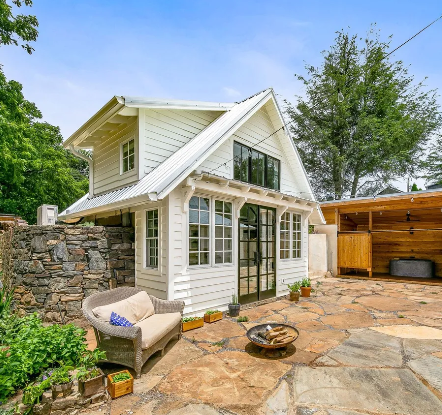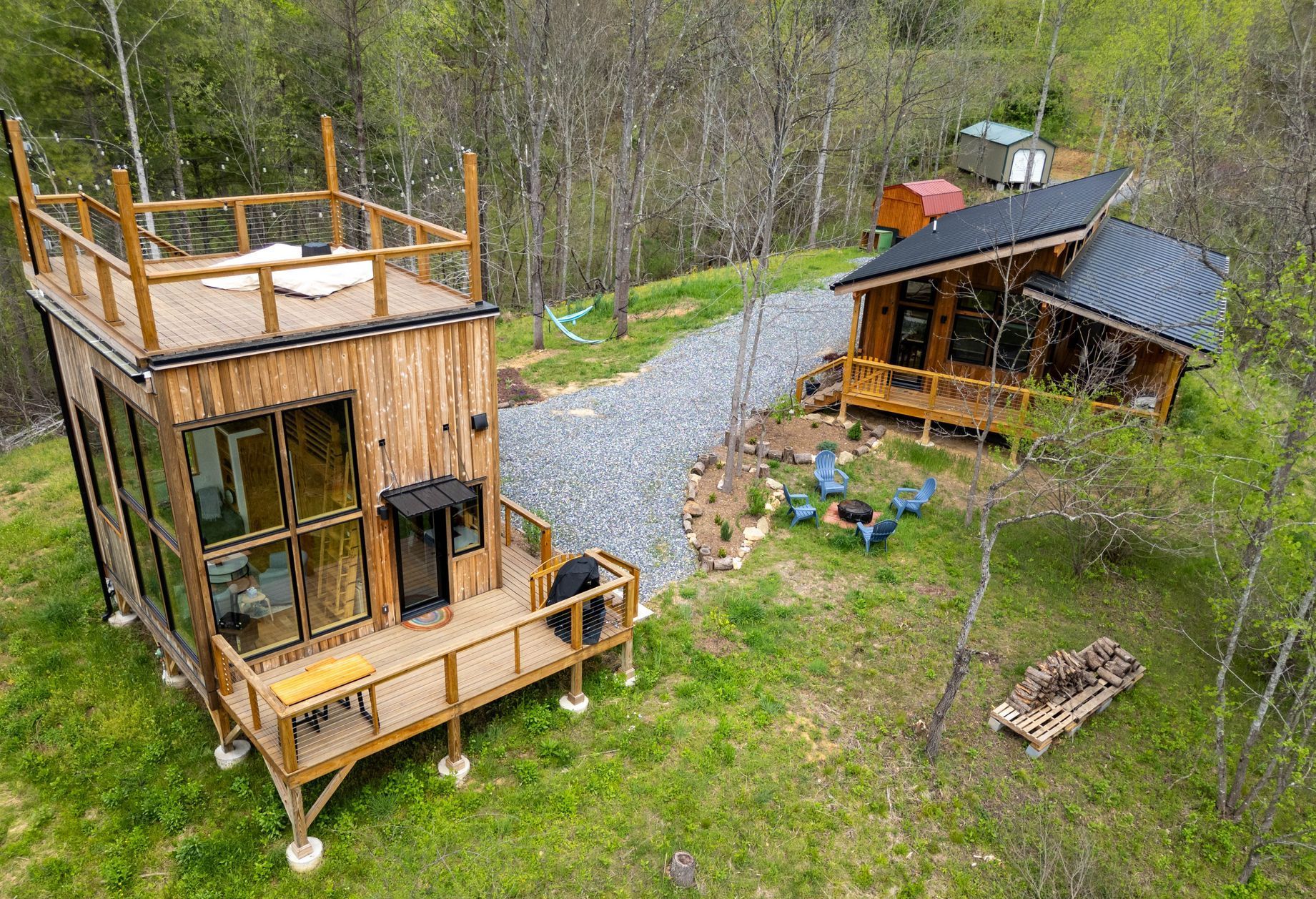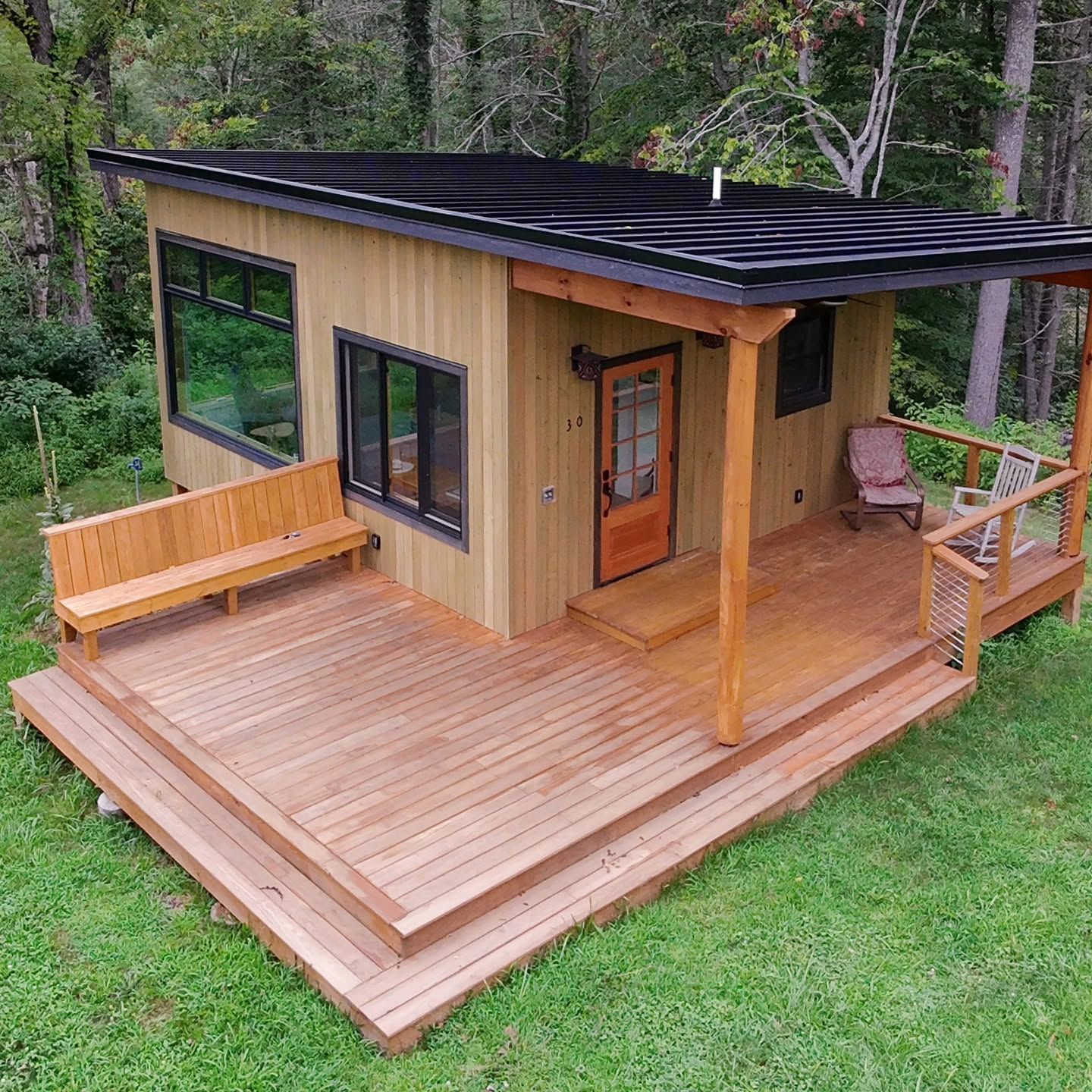
Small Home Design Ideas for Remote Work Living
Why Small Home Design Matters for Remote Work
Small home design is changing the way people live and work. More homeowners are realizing they do not need a giant house to feel comfortable, creative, and productive. A smaller home can actually help reduce stress because everything has a purpose. When your home is easier to clean, organize, and manage, you have more time and energy for the things you truly enjoy.
Working from home becomes much smoother when your space feels calm and functional. A thoughtfully planned layout can help separate work time from family time, even inside a compact home. Large windows, smart furniture, and simple storage ideas can turn a small space into a place that feels open, inspiring, and full of life every single day.
Creating a Tiny Home Design That Supports Creativity
A great tiny home design should make you feel inspired the moment you walk through the door. Creative living starts with designing a space that feels bright, peaceful, and personal. Soft colors, natural textures, and open layouts can make even the smallest home feel welcoming. Adding plants, artwork, or handmade décor can also bring warmth and personality into your everyday environment.
Creative people often do their best thinking in spaces that feel uncluttered. That is why many homeowners choose flexible layouts that allow rooms to serve more than one purpose. A dining table can become a workspace during the day, while a cozy reading nook can double as a quiet brainstorming spot. Small homes encourage people to think smarter and live with intention.
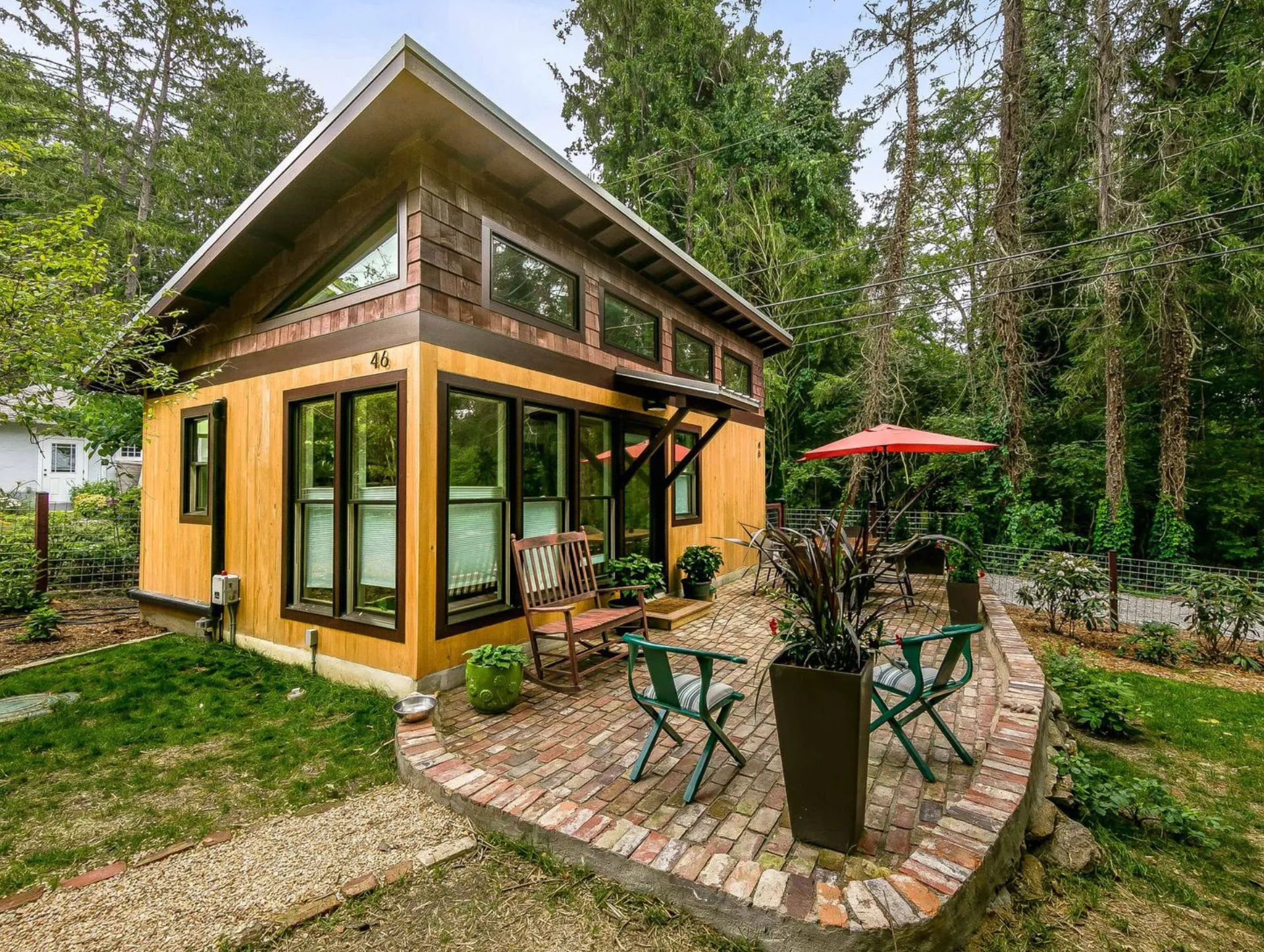
How to Build a Functional Home Office in a Small Space
Creating a home office inside a compact home may sound challenging, but it can work beautifully with the right setup. A simple desk near a window can instantly create a productive work zone. Many homeowners use floating shelves, fold-down desks, or corner workstations to save space while still having room for computers, notebooks, and office supplies.
Comfort also matters when designing a workspace. Good lighting and a supportive chair can make long workdays feel easier. Try placing your office area away from high-traffic parts of the home if possible. Even adding a small divider or bookshelf can help create a sense of separation between work and relaxation, helping you stay focused throughout the day.
Smart Storage Ideas for Small Home Design
Storage is one of the biggest parts of successful small home design. Without smart organization, even beautiful spaces can start to feel crowded. Built-in shelves, hidden storage benches, and under-bed drawers help homeowners keep clutter out of sight while making the most of every inch of space available inside the home.
Vertical storage is another excellent solution for compact living. Tall cabinets and wall-mounted organizers free up valuable floor space while keeping daily essentials easy to reach. Many homeowners also choose furniture with hidden storage compartments. These simple design choices help small homes feel clean, open, and comfortable without sacrificing style or functionality.
Using Natural Light to Improve Focus and Productivity
Natural light can completely change the feeling of a home. Bright sunlight makes small spaces appear larger, cleaner, and more inviting. It can also improve mood and energy levels throughout the day. Large windows, glass doors, and skylights are popular features in tiny home design because they help create an open and airy atmosphere.
Working near natural light can also help increase productivity. Many people feel more alert and focused when sunlight fills their workspace. Light-colored walls and mirrors can help reflect sunlight deeper into the home, making compact rooms feel brighter and more spacious. A well-lit home creates a positive environment for both work and relaxation.
Sound Control Tips for a Peaceful Remote Work Environment
Noise can become distracting when working from home, especially in smaller spaces. Sound control is an important part of creating a peaceful and productive environment. Soft rugs, curtains, and upholstered furniture can help absorb noise and reduce echoes. Even small changes like adding fabric wall panels or weather stripping around doors can make a noticeable difference.
Many homeowners also create quiet zones inside their homes for calls, meetings, and focused work. Placing bookshelves against shared walls can help block sound between rooms. White noise machines or calming background music may also help improve concentration. A quiet home environment makes remote work feel less stressful and more enjoyable every day.
Multi-Purpose Furniture Ideas for Tiny Home Design
Furniture that serves more than one purpose is a game changer in tiny home design. Sofa beds, folding tables, and storage ottomans help maximize functionality without overcrowding the room. These pieces allow homeowners to adapt their space throughout the day while keeping the home comfortable and organized.
Murphy beds and expandable dining tables are also excellent solutions for compact living. During the day, a room can function as an office or creative studio, then quickly transform into a bedroom or entertaining space at night. Flexible furniture helps homeowners enjoy the freedom of small-space living while still meeting all their daily needs.
Choosing the Best Layout for Work and Daily Living
A smart layout can make a small home feel much larger than it actually is. Open floor plans help create better movement and improve the flow between living areas. Many homeowners choose layouts that keep the kitchen, dining, and living spaces connected while placing workspaces in quieter corners of the home.
The goal is to make every area feel useful without feeling crowded, especially when guided by thoughtful planning and a
professional consultation process. Clear walkways and intentional furniture placement help maintain comfort and balance throughout the home. A carefully planned layout allows homeowners to enjoy both productivity and relaxation without constantly feeling cramped or overwhelmed by limited square footage.
Productivity-Focused Design Features for Compact Homes
Designing a home for productivity does not require extra space. Small details can have a huge impact on focus and motivation. Organized workstations, calming colors, and clutter-free surfaces help create an environment that supports clear thinking. Many homeowners also add corkboards, calendars, or simple shelving systems to stay organized during busy workdays.
Temperature control and airflow also play an important role in productivity. Ceiling fans, operable windows, and proper insulation can help make a workspace more comfortable year-round. When homeowners design with productivity in mind, compact living spaces become efficient environments that support both work goals and personal well-being.
How Small Home Design Can Improve Work-Life Balance
One of the biggest benefits of small home design is how it encourages a simpler lifestyle. Smaller homes often require less maintenance, fewer expenses, and less clutter. This gives homeowners more freedom to focus on family, hobbies, and experiences instead of constantly managing a large house filled with unused space.
Reach out to Nanostead in Marshall, NC and
call at (828) 649 8098 to start creating a home that supports comfort, creativity, and productivity. A well-designed home can help people feel more connected to what truly matters. With thoughtful planning and smart design choices, even compact spaces can feel open, inspiring, and perfectly suited for modern living.
Nanostead Blog