Custom Home Zoning Laws in Madison County, NC: What You Need to Know Before You Build
Custom Home Zoning Laws in Madison County, NC: What You Need to Know Before You Build
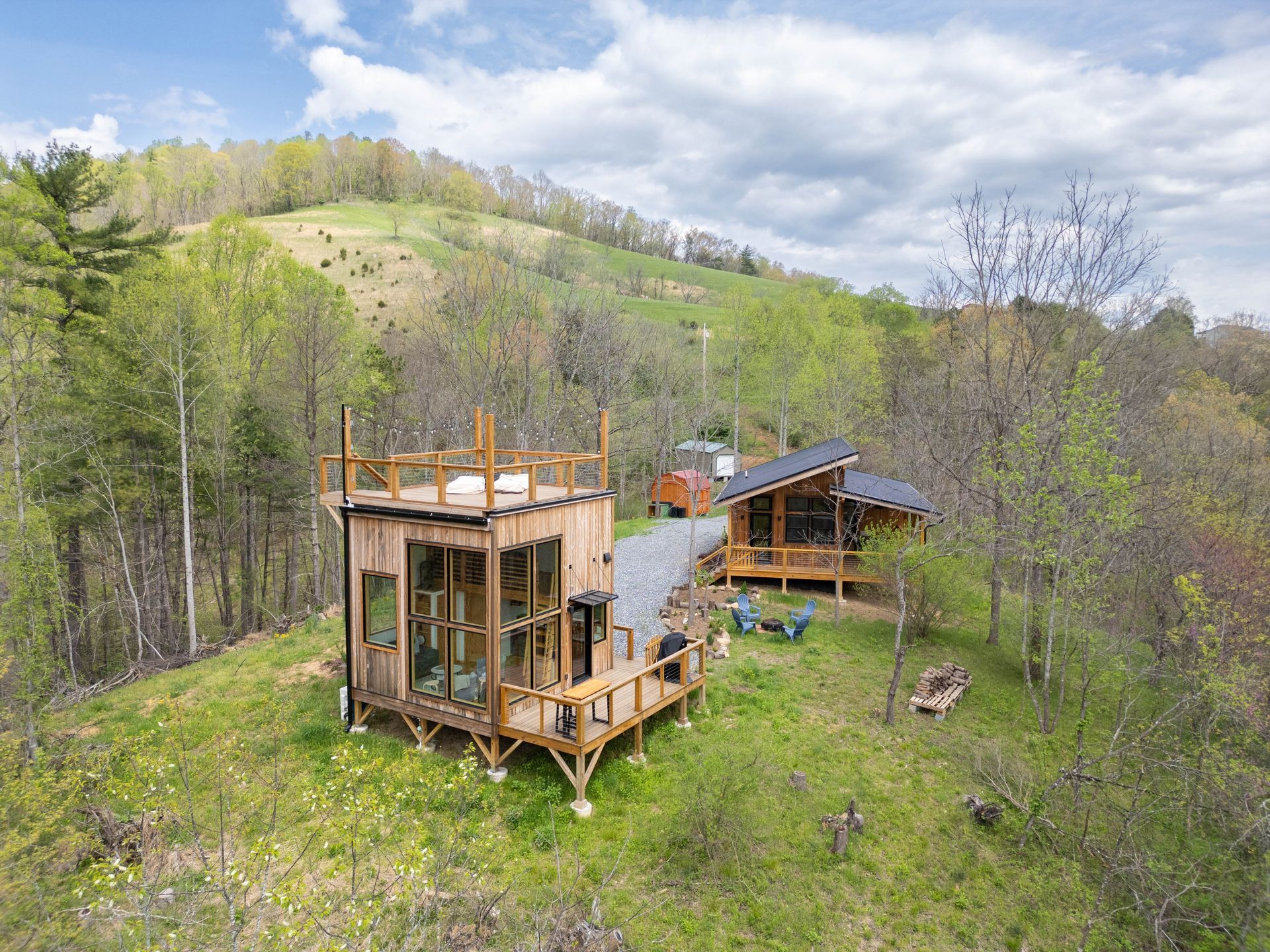
Madison County is one of the most sought-after areas in Western North Carolina for landowners who want to build a custom home outside of Asheville's development pressure. The terrain is dramatic, the land is relatively accessible, and the community is rooted. But before you break ground on a build in Marshall, Hot Springs, Mars Hill, or anywhere else in the county, you need to understand how zoning and building regulations work here — because Madison County operates differently from urban and suburban markets, and assumptions that hold elsewhere often don't apply.
Does Madison County Have Zoning?
This is the first question most clients ask — and the answer is nuanced. Madison County does not have county-wide zoning in the traditional sense. Large portions of the unincorporated county are essentially unzoned, which gives landowners more flexibility than they'd have in a county with comprehensive zoning ordinances. However, that doesn't mean you can build anything anywhere without oversight.
Several factors still govern what you can build and where:
- NC State Building Code: All permitted structures in North Carolina must comply with state building codes regardless of local zoning. This covers structural requirements, electrical, plumbing, mechanical systems, and energy efficiency standards.
- Floodplain regulations: Properties near the French Broad River, Laurel Creek, and other waterways in Madison County may fall within FEMA-designated flood zones. Building in or near a floodplain requires additional permits and design considerations.
- Septic system regulations: NC DHHS regulates septic systems statewide. Before you build, your lot needs a soil evaluation and septic permit. Not every parcel in Madison County will support a septic system — this is one of the most common reasons a seemingly buildable lot turns out to be problematic.
- Incorporated municipalities: If your property is within the town limits of Marshall, Mars Hill, or Hot Springs, those municipalities have their own zoning and development regulations that apply in addition to state code.
What Permits Are Required to Build in Madison County?
A new custom home on a foundation in Madison County requires a building permit from the Madison County Inspections Department. The permit process involves:
- Site plan and building plans: Submitted drawings showing the home's footprint, dimensions, structural details, and systems layout.
- Septic permit: Issued by the Madison County Environmental Health Department following a soil evaluation. Must be in place before a building permit is issued.
- Building permit issuance: Once plans are reviewed and approved, the permit is issued and construction can begin.
- Inspections during construction: Foundation, framing, rough-in electrical and plumbing, insulation, and final inspections are all required at various stages of the build.
- Certificate of Occupancy: Issued after final inspection confirms the home meets code. Required before the home can be legally occupied.
What About ADUs in Madison County?
Accessory Dwelling Units — guest houses, in-law suites, and secondary structures — follow the same permitting process as primary dwellings in Madison County. Each structure requires its own building permit and septic evaluation. If your primary home is already on a septic system, adding an ADU typically requires either expanding the existing system or installing a separate one, depending on the system's permitted capacity.
Common Pitfalls to Avoid
- Buying land without a soil evaluation: A parcel that won't support a septic system can't support a permitted home. Get the soil evaluation done — or at minimum get a preliminary assessment — before you close on the land.
- Underestimating site work: Mountain terrain in Madison County can mean significant grading, retaining walls, and access road work before the foundation is even started. This is cost that needs to be in the budget from the beginning.
- Starting construction before permits are in hand: Building without a permit in NC creates serious problems — stop-work orders, fines, and potential requirements to tear down unpermitted work. No legitimate contractor will start foundation work without a permit.
- Assuming rural means no oversight: The absence of county-wide zoning doesn't mean the absence of regulation. State code, septic rules, floodplain requirements, and municipal regulations all still apply.
How Nanostead Navigates This Process
We've been building custom homes in Madison County for years. We know the Madison County Inspections Department, we understand the local soil conditions, and we've worked through the permit process on dozens of builds across Marshall, Mars Hill, Hot Springs, and the surrounding area. Our consulting services are specifically designed to help landowners work through site evaluation, permit planning, and build feasibility before committing to a full project.
If you're trying to figure out whether your land is buildable, what permits you'll need, or how to start the process, a 30-minute conversation with our team can save you months of guesswork.
Start With a Free Consultation
Call us at (828) 649-8098 or contact us here to schedule your free 30-minute design consultation. We serve landowners across Western North Carolina — from Madison County to Asheville, Weaverville, Hendersonville, and beyond.